Friday, 4 July 2025

Do your homework

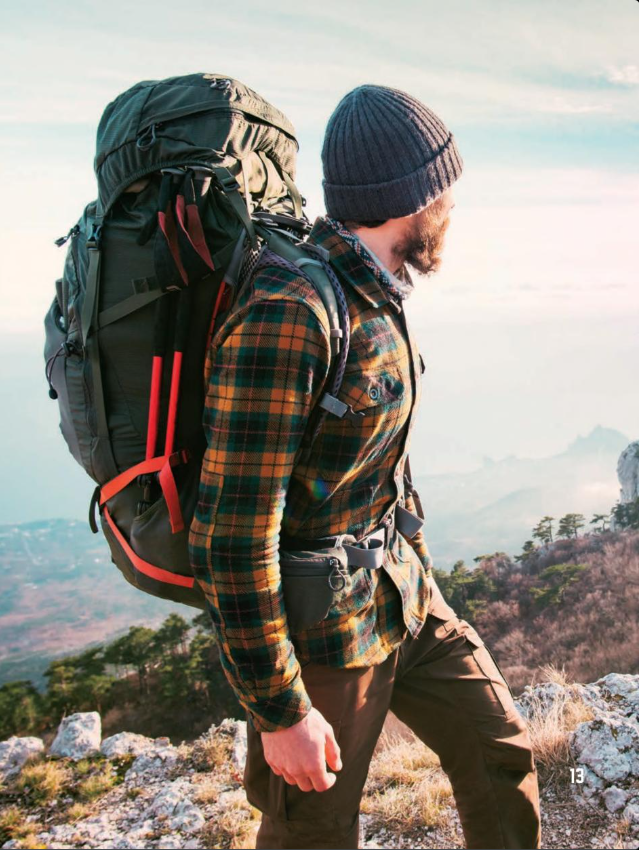
To be safe and have fun, smart hikers plan before going on a hike. Here are some questions they might think about.


WHAT IS THE WEATHER FORECAST?

Sunny skies at the moment do not mean sunshine all day. Hikers should check the weather forecast before leaving home. Knowing the forecast helps a hiker choose the right clothes. In some cases, knowing the forecast might help a hiker decide to wait for better weather. Hikers should always be listening and watching for thunderstorms. The safest place during a thunderstorm is indoors.

Checking the weather forecast can help a hiker decide how to dress or even whether to go out that day.

ARE ANY TRAILS CLOSED?

 When hiking at any of the state or national parks, it is smart to check with the park ranger or park office before heading into the woods. Some trails could be closed, especially if there has been too much rain or flooding recently.


IS THAT POISON IVY?

Hikers need to be alert for poisonous plants and wildlife. Poison ivy has a familiar three-leaf pattern. Poison oak and poison sumac often have more leaves. Hikers need to know what these plants look like so they can stay away from them.

Hikers should also watch for stinging nettles. These plants can cause a painful burning sensation for those who touch them. There can also be wild berries in the woods that look good to eat. Hikers should not eat them. The berries provide food for animals, and some of those berries are poisonous to humans. The best choice for hikers is to just eat the snacks in their backpacks.

Ticks are common across much of the United States. They are especially problematic during the warm summer months. Ticks can carry diseases. So can mosquitoes. Hikers should use a bug spray that protects against ticks, mosquitoes, and black flies. After a hike, people should carefully check their clothes, scan their bodies, and search their heads for ticks. It is wise to bathe or shower within two hours of hiking to wash away any ticks before they can bite.


ARE THERE SNAKES?

Hikers who spend a lot of time in the woods have a good chance of seeing a snake. Most snakes avoid people. But if stepped on or surprised, snakes can bite. There are many kinds of snakes. They vary in size, color, and markings.

Most poisonous snakes have broad, wedge-shaped heads. Nonpoisonous snakes have heads shaped like a triangle, but somewhat rounded. Poisonous snakes have eyes with vertical slits. Nonpoisonous snakes have round eyes. Poisonous snakes tend to be bigger and fatter than nonpoisonous ones. Do not depend on hearing a rattle sound to know if a snake is poisonous. Rattlesnakes are not the only poisonous snakes in the United States. Some do not make a sound. The best thing a hiker can do when seeing a snake is to freeze and then step away from the snake, moving slowly backward.


In some parts of the country, hikers have to look out for snakes.


WHO KNOWS WHERE I AM GOING?

Hikers should always be sure to tell someone where they are going and a general time to expect their return. This includes the starting point—where they plan to enter the woods. Hiking with a buddy is the smart way to travel. A hike is usually more fun traveling with a buddy. And if there is an accident, buddies can help each other.

Where to Go

For a new hiker just starting out, there are safe, easy ways to learn about hiking. Hikers can start at the local parks in their area. Regular visits to hike at local parks help new hikers in several ways.

Local parks can provide plenty of convenient trails for beginning hikers.


For instance, hikers can test out their gear. Is the backpack a good fit? Are they carrying too much heavy gear? Do their hiking boots create blisters? Hiking familiar local parks allows hikers to gain strength and skill in the woods.

When planning hikes beyond local parks, a hiker should consider several questions. Is the hiker experienced or new to hiking? Is the hiker physically strong? What is the terrain like—flat and easy to hike, or rocky and rough? Is it in the mountains?

Thinking about these kinds of questions helps a hiker decide what kind of hike to do and where to go.


FIND A HIKING CLUB

A new hiker might also want to look for any local hiking clubs or groups. For the beginning hiker, a club can be a good place to meet more experienced hikers. Hikers can make new friends and learn new skills in these groups.

There are plenty of books about hiking. The public library or a local bookstore could be a good place to find these books. A web search for “hiking” or “hiking in (your state name)” should yield lots of information, too.

Some outfitter stores offer hiking or backpacking classes. Do a web search for “hiking classes near me” to find what might be offered. These classes can be a great way to learn from more experienced hikers before heading off to the woods.


THE HIKING PROJECT

The Hiking Project is a website and a mobile app with information about hiking trails. It features maps and other information about trails across the United States and in other countries, too. Trails are listed state by state for the United States. Altogether it has information on more than 58,000 trails.

The Hiking Project helps hikers plan trips and share information about hiking. Its website—hikingproject.com—is always changing as hikers add new information.

For hikes in state or national parks, the park office can provide trail maps.


In these parks, trails are usually marked with colors called “blazes.” These blazes are painted on or attached to trees or posts to show the trail. The well-marked trails are helpful for hikers of all ages and experience levels. But for the new hiker, these marked trails are a safe and effective way to learn good hiking skills.


Colorful blazes help hikers stay on the trail

The place where a hiking trail begins is called the trailhead. Sometimes a signboard with maps or other helpful information will greet hikers at the trailhead.

Because it can be easy to get turned around in the woods, it is smart for a hiker to learn basic navigation skills. Hikers sometimes use a map, a compass, or a handheld Global Positioning System (GPS) tracker to help them navigate.


A good map can help hikers find their way.


Monday, 30 June 2025

What to pack

Water is among the first concerns when determining a packing list. Just as it does when competing in other sports, the body needs plenty of water while hiking. As a person hikes, the body gets warmer. It gets rid of the excess heat by sweating. When the sweat evaporates, the body cools. Hikers need to replace that lost fluid or they risk dehydration. Dehydration occurs when people do not drink enough water. It can make them sick. And while soft drinks and other beverages might taste refreshing, they do not give the body the water it needs.

The American College of Sports Medicine says to drink at least 16 to 20 ounces (500 to 600 ml) of water one to two hours before an outdoor activity like hiking. While hiking, drink six to 12 ounces (180 to 360 ml) of water every 10 to 15 minutes. After hiking, hikers should drink another 16 to 24 ounces (500 to 800 ml) to replenish the body.


It’s important to drink plenty of water before, during, and after a hike.


For most short day hikes, plenty of water and some healthy snacks are all a hiker needs. For longer hikes or overnight camping, meals are needed, too. This means choosing foods that are easy to carry and prepare and packing plates and cooking utensils. Hikers need to be able to prepare and cook food and then clean up. All this means that hikers need to do some smart meal planning before heading into the woods for longer trips.

Most granola bars are filled with the nutrients hikers need on the trail


OUCH! BRING THE FIRST AID KIT

Scrapes, cuts, bug bites, and blisters can be a real bummer on the trail. Sometimes hikers need a first aid kit. The kit doesn’t have to be large. Some hikers put together their own basic kits. Sporting goods stores also sell prepackaged kits.

There’s a lot to think about when deciding what to pack for a hike.

Hikers should carry safety gear in case something goes wrong on the hike. A whistle lets hikers call for help if they’re hurt or lost. And a whistle can help hikers who get separated find each other. The sound of a whistle carries farther than a person’s voice. Matches or a lighter helps a hiker start a fire, if needed. A headlamp or flashlight is handy, especially if a hiker will be in the woods as it starts to get dark. An emergency blanket also helps in case the weather suddenly turns cold or wet.

A headlamp can help light the way after the sun goes down.

Many hikers carry a knife. It can be a simple, single-blade pocket knife. Some prefer more complex knives with tools such as a screwdriver, bottle opener, can opener, or scissors attached.


CARRYING THE LOAD

A backpack allows hikers to easily carry the supplies they need. When people first start to hike, any backpack they have could work. But people who plan to continue hiking would benefit from a backpack made for hiking. Hikers should shop for a backpack that fits them just right—not too large and not too small. Backpacks come in sizes to fit children, women, and men. Day packs are meant for short hikes. Bigger packs are available for longer hikes or overnight camping.

Hikers should pack wisely to avoid having to carry too much weight. For a day hike, the heaviest items in the backpack should be water and food. For short hikes, other items might be sunglasses, sunscreen, bug spray, a whistle, a pocket knife, a trash bag, a rain jacket, and a simple first aid kit.

Some backpacks are hydration backpacks. This means they carry the hiker’s water supply in a container that fits snugly inside the pack. This container is called a reservoir or bladder. It’s attached to a long, flexible straw that lets the hiker easily drink the water without stopping to reach inside the pack. These packs are very useful in hot summer weather.


Saturday, 7 June 2025

What to wear

Some sports require a special kind of clothing or uniform, but not hiking. Many hikers already have most of the clothes needed for hiking. 

Some hikers recommend dressing like an onion. When an onion is peeled, it reveals multiple, thin layers underneath. So dressing like an onion means wearing thin layers of clothes. Those thin layers help keep a hiker comfortable in warm or cool weather. The layers dry quickly when a hiker gets damp from rain or sweat. And with thin layers of clothes, a hiker can add or remove layers as needed as temperatures rise or fall. 

Hikers usually wear long pants or heavy tights to keep their legs from getting scratched in the woods. 


Hiking at high altitudes requires warm clothing.

Also, jeans or heavy cotton clothes are not the best choice for hiking. These clothes are very uncomfortable if they get wet. They hold the moisture close to the skin.

Many hikers prefer wool clothes. Wool and wool blends have the reputation of being scratchy, but they also can be soft. They do a great job of holding in body heat, even when the fabric gets wet. Another option for hikers is workout gear. Clothing made for sports or active wear is usually moisture wicking. It does a good job of allowing moisture to evaporate off of skin.


Hikers should wear long pants if they want to avoid getting their legs scratched.

Fleece provides warmth and protection from the wind. Long sleeves that roll up are a good choice. They protect hikers from cool temperatures and sunburn. A hat keeps a hiker’s head warm. Hats with brims, such as a baseball cap or a wide-brimmed hat, also provide good sun protection.


STEP SMARTLY

The average person takes approximately 2,000 steps to walk one mile (1.6 km). So a hiker’s shoes or boots and socks are important. Sneakers or trail-running shoes work well. Hiking more difficult, longer, or wet trails might require hiking boots or hiking shoes. These give better support for the ankles and feet. Shoes or boots need to fit well so they do not rub against the feet and cause blisters. Hikers’ shoes should keep their feet dry and provide a good grip for walking the trail. And they should be lightweight. Hiking gives the legs and feet enough of a workout. There is no need to add a heavy pair of shoes into the mix.


For longer hikes, a good pair of hiking shoes comes in handy.

Socks that are wool, wool blend, or synthetic are best for hiking. They help keep a hiker’s feet dry, which helps prevent blisters. Cotton socks hold moisture close to the feet. This can lead to rubbing and blisters.


PASS THE SUNSCREEN

Any skin that is exposed to the sun can get sunburned, regardless of the air temperature. So even in cooler weather, it is smart to wear sunscreen. Sunglasses are also handy for hikers. They protect the eyes and make it easier to see where to step in bright sunshine.

Weather can change quickly. A day that starts out warm can change if temperatures drop or rain starts. Also, temperatures in the woods are cooler than out in the sunshine. Smart hikers are prepared for weather changes. Hikers should bring a waterproof jacket and an extra lightweight layer of clothes, just in case the weather brings surprises.


Hikers need to be prepared for all types of weather.


Monday, 19 May 2025

Week #20: Review and retrospective


Ideas para el nuevo tópico de aprendizaje: Hiking

  • Principios de aprendizaje:
    • "Me ayuda más si experimento primero antes de que me expliquen cómo hacerlo."
    • "A veces aprendo mejor tropezando un poco." 
    • "Aprendemos haciendo… y repitiendo lo que hacemos."
  • Sobre mis objetivos
    • Estos tres próximos meses quiero reforzar mis conocimientos en el uso de los 5 tiempos verbales más comunes (Simple Present, Present Continuous, Simple Past, Past Continuous, and Present Perfect), sin descuidar las habilidades de Speaking y Listening. 
    • No es necesario profundizar en los conceptos gramaticales. Lo que necesito es dominar lo fundamental para seguir avanzando con el idioma. Me gustaría que los 5 tiempos verbales más comunes fluyan de manera natural cuando hablo en inglés. 
  • Sobre como llevar las clases usando el libro “Hiking” by Donna B. McKinney. La propuesta es desarrollar un capítulo en 2 clases:
    • Primera clase:
      • Antes: Primera lectura del artículo por mi cuenta, resaltar palabras o expresiones que llaman mi atención. Normalmente suelo usar la IA para escuchar como se pronuncian las palabras. Es en este momento donde puedo tomar notas de mis dudas para la clase. 
      • Durante: Como siempre, podríamos analizar el artículo (lectura y preguntas), revisar mis dudas respecto al vocabulario y expresiones nuevas.  La conversación es importante durante esta clase. 
    • Segunda clase:
      • Antes: Con un mejor entendimiento del texto, me animaría a explorar el artículo desde un punto de vista gramatical, identificar los tiempos usados, crear mis propias oraciones o mini-historias basadas en mis experiencias de hiking. Es en este momento donde puedo tomar notas de mis dudas para la clase. 
      • Durante: En este momento creo que sí sería muy valiosa la guía del profesor sobre como usar adecuadamente los tiempos verbales, corrigiendo mis errores. 
        • Identifying the verb tenses
        • Knowing how and when to use them
        • Putting into practice

Saturday, 17 May 2025

Week #1: Let's go hiking

Reed Gjonnes started hiking with her dad when she was just four years old. Reed’s dad is a skilled long-distance hiker. So at the start, hiking was just family fun for Reed. 


“Hiking has been part of my life for as long as I can remember,” Reed said in 2013, when she was in eighth grade. “When I was a little kid, it was because I wanted to spend time with my dad and go camping. Now I love everything about it—the beautiful scenery, the wild animals, and meeting other people on the trail. It’s all pretty great.” 

Reed began looking for longer, more challenging hikes. She asked her dad if they could hike the Pacific Crest Trail. It runs a length of 2,650 miles (4,265 km), stretching from Mexico to Canada. That was just the start of a big adventure. 

Before she turned 14, Reed and her dad had hiked the three longest trails in the United States. She hiked the Pacific Crest Trail at age 11. Next, she hiked the 2,192 miles (3,528 km) of the Appalachian Trail at age 12. And at age 13, she hiked the Continental Divide Trail, which covers 3,100 miles (4,989 km). Hiking all of these three trails is called the " Triple Crown " of hiking. Through 2018, only approximately 400 people had achieved the Triple Crown. And Reed was the youngest person known to have hiked all three trails. The Triple Crown totals 7,942 miles (12,781 km). To complete the Triple Crown with her dad, Reed hiked in 22 states and wore out six pairs of shoes. 


Reed's hikes are amazing. But a new hiker can learn the basics, starting with short, simple day hikes. As hikers gain skill, they can tackle longer trails. Hiking is a sport in which age and athletic ability do not matter so much. Hikers can choose trails ranging from a flat path through the woods to mountain climbing. 

People can choose a hike that suits their ability and build from there to more difficult hikes. 


HEALTHY ACTIVITY FOR YOUNG AND OLD 

Hiking is both fun and good for a person. With hiking comes the fun of being outdoors and enjoying the scenery. But there are many health benefits with hiking too. Hiking helps improve cardiovascular health while strengthening hip and leg muscles. The core muscles around the middle of the body are strengthened by hiking too. A person's balance is improved by hiking . And hiking is good for the mind , helping to boost a person's mood and ease stress. 


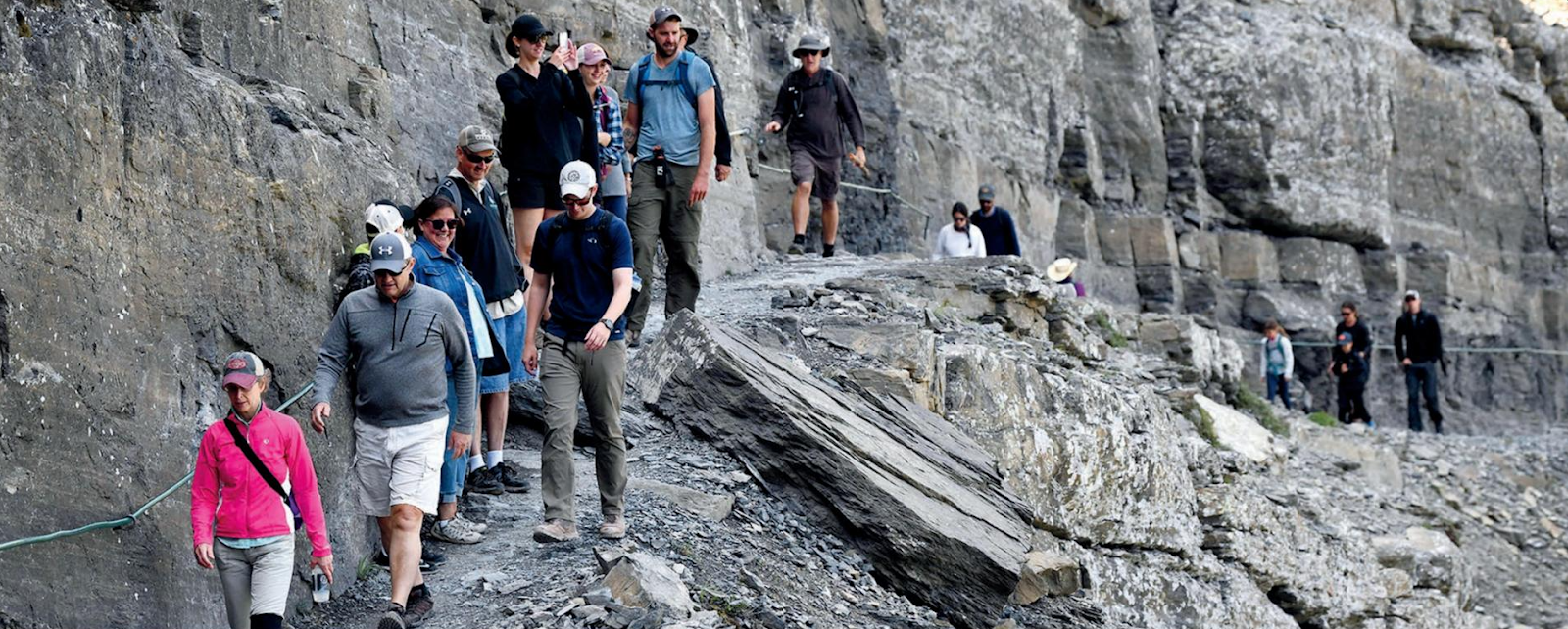
Some people enjoy solo hiking. But it is more fun, and safer, to hike with others. That makes hiking a great activity for family members and friends to do together. And because athletic ability is not as important as in some other sports, people of different ages can enjoy hiking together. 


For some sports, people need to buy a lot of costly gear just to get started. But for hiking, a person can begin with just a sturdy pair of sneakers and some comfortable clothes. Hikers can always add other gear later. But a lack of hiking gear should not stop a person from just going on a hike right now. So lace up a pair of sneakers and hit the trails! 


Monday, 5 May 2025

Week #19: Destinations - Cusco

Reading

Facts and tips about cusco

Source: https://www.willkatravel.com/facts-and-tips-about-cusco/

Cusco (Spelled Qosqo in Quechua and translates to the “belly button of the world”) is a welcoming and charming city. In 1983, Cusco has declared a World Heritage Site by UNESCO.

Cusco is located at 3400m (11200 feet) above sea level and has a relatively dry and temperate climate. There are many interesting tourist sites to visit and it is the gateway to Machu Picchu, which was declared in 2007 as one on the seven wonders of the modern world.

Altitude Sickness

Visitors often talk about the altitude sickness they experience. When you travel to places located at a high altitude, like Cusco, there is less oxygen in the air and your body needs to work harder to get air. Every person reacts differently to the change in altitude. If your body does not adapt quickly, you may experience headaches, nausea, stomach pain, and/or shortness of breath your first day. If you feel these symptoms, take it easy, and try not to exert a lot of energy. Eat light meals and drink coca leaf tea or muña which can help you adjust to the altitude and alleviate these symptoms.

Temperature

Always bring a coat. Even in the summer, the mornings and evenings can get very cold. The weather might be beautiful and very sunny, but it can suddenly change to be very cloudy and windy. Wherever you go, always have layers to put on or take off for the sudden change in weather.

Peruvian Handicraft

Colorful blankets, paintings, sweaters, scarves, chullos (traditional hats) are everywhere. There are street venders that sell them in the Plaza De Armas (the main square), in San Pedro Market, and in the various fairs, markets, and shops throughout the city. There are also many amazing artisanal markets located in the places you will visit on the tours offered through our agency.

Restaurants

In Cusco it is possible to eat very well and spend very little money. In Cusco, you will find a little bit of all types of food. No matter what type of food you like, you will feel at home because there is such a wide variety of restaurants. Near the Plaza de Armas there are excellent restaurants with beautiful views, but they are a little more expensive because it is such a touristy area. If you want to experience a local restaurant, walk through the small stone streets as you walk up to the San Blas neighborhood or around San Pedro Market. Around these areas, you will find restaurants that Cusqueñans frequently eat in and the food there is very cheap. At many restaurants, you will find “tourist menus” for less than $10. These menus often include soup or another appetizer, the main course (called “Segundo” here), and a drink. In the more touristy restaurants, the portions are usually smaller, but in the local restaurants, the portions are very large. In most restaurants in Cusco, the tip is not added to the bill. If you want, you can leave a tip that you think is fair for the service, usually around 10% (the Spanish word for tip is propane, pronounced propene).

Meat

Alpaca and Cuy (our pig from India) are the traditional meats eaten in Cusco and you will find many different dishes in restaurants with them. Chicken is also eaten frequently here and there are many delicious chicken dishes as well. However, if you are a vegetarian do not worry! There are many vegetarian restaurants throughout the city that serve delicious food and even most regular restaurants have a large variety of vegetarian dishes.

Money exchange

It is very easy to find places to exchange your money in Cusco. In Spanish, they are called “Casas de Cambio”. You can find many places located on Avenida El Sol, in the Plaza de Armas, and on Avenida Santa Catalina. You do not need to worry about finding places to exchange money because there are a ton. There are usually 3-13 cent differences in exchange rates between places.

Tourist Ticket (Boleta touristica)

Also known as BTC, this ticket allows you to enter some of the tourist places in the city. There are two different types of tourist tickets: the full ticket (integral) and a partial ticket (parcial).

The full tourist ticket costs 130 soles and is valid for 10 days and allows you to enter 16 archeological and cultural sites in Cusco, including Sacsayhuaman Archaeological Park, the South Valley of Cusco, and the many ruins sites located in the Sacred Valley of the Incas. The partial tourist ticket costs 70 soles. It is valid for one day and based on your interests, you can choose between the three available circuit options. If you are only in Cusco for a short time, the partial ticket is a good alternative.