Monday, 19 May 2025

Week #20: Review and retrospective


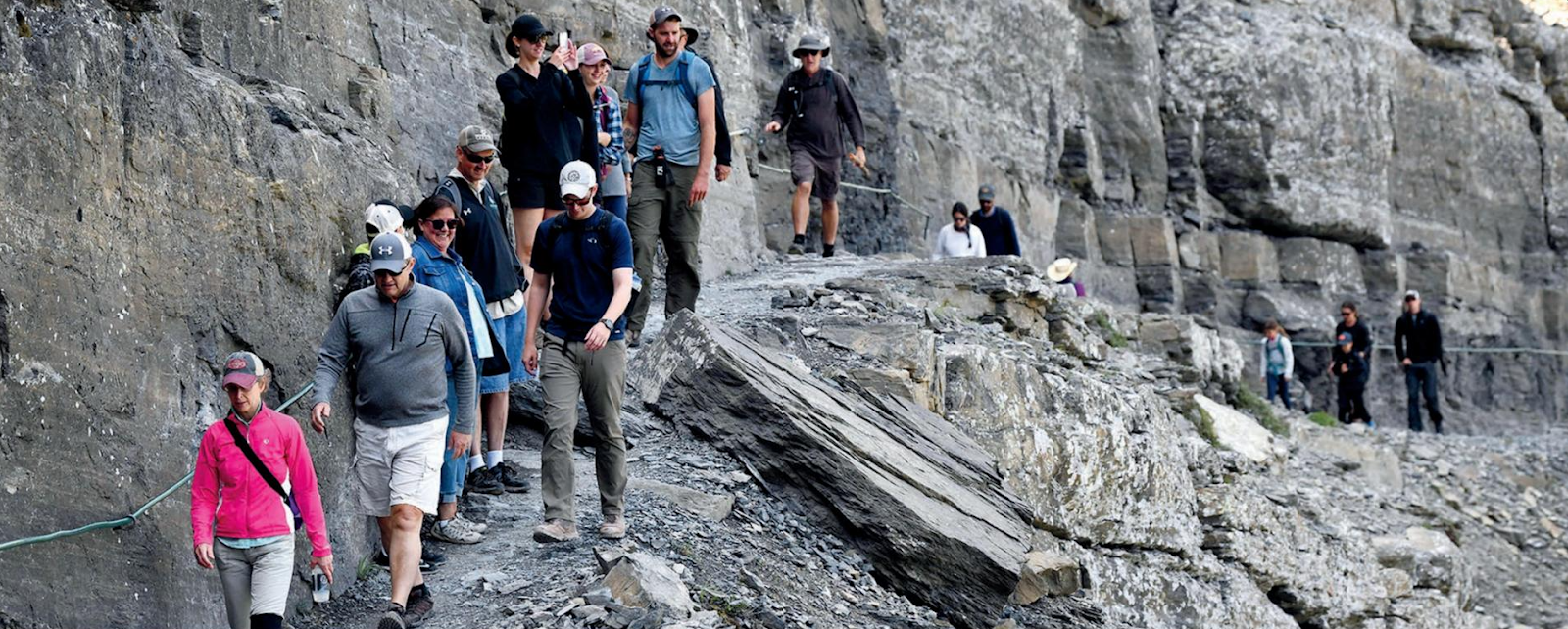
Ideas para el nuevo tópico de aprendizaje: Hiking

  • Principios de aprendizaje:
    • "Me ayuda más si experimento primero antes de que me expliquen cómo hacerlo."
    • "A veces aprendo mejor tropezando un poco." 
    • "Aprendemos haciendo… y repitiendo lo que hacemos."
  • Sobre mis objetivos
    • Estos tres próximos meses quiero reforzar mis conocimientos en el uso de los 5 tiempos verbales más comunes (Simple Present, Present Continuous, Simple Past, Past Continuous, and Present Perfect), sin descuidar las habilidades de Speaking y Listening. 
    • No es necesario profundizar en los conceptos gramaticales. Lo que necesito es dominar lo fundamental para seguir avanzando con el idioma. Me gustaría que los 5 tiempos verbales más comunes fluyan de manera natural cuando hablo en inglés. 
  • Sobre como llevar las clases usando el libro “Hiking” by Donna B. McKinney. La propuesta es desarrollar un capítulo en 2 clases:
    • Primera clase:
      • Antes: Primera lectura del artículo por mi cuenta, resaltar palabras o expresiones que llaman mi atención. Normalmente suelo usar la IA para escuchar como se pronuncian las palabras. Es en este momento donde puedo tomar notas de mis dudas para la clase. 
      • Durante: Como siempre, podríamos analizar el artículo (lectura y preguntas), revisar mis dudas respecto al vocabulario y expresiones nuevas.  La conversación es importante durante esta clase. 
    • Segunda clase:
      • Antes: Con un mejor entendimiento del texto, me animaría a explorar el artículo desde un punto de vista gramatical, identificar los tiempos usados, crear mis propias oraciones o mini-historias basadas en mis experiencias de hiking. Es en este momento donde puedo tomar notas de mis dudas para la clase. 
      • Durante: En este momento creo que sí sería muy valiosa la guía del profesor sobre como usar adecuadamente los tiempos verbales, corrigiendo mis errores. 
        • Identifying the verb tenses
        • Knowing how and when to use them
        • Putting into practice

Saturday, 17 May 2025

Week #1: Let's go hiking

Reed Gjonnes started hiking with her dad when she was just four years old. Reed’s dad is a skilled long-distance hiker. So at the start, hiking was just family fun for Reed. 


“Hiking has been part of my life for as long as I can remember,” Reed said in 2013, when she was in eighth grade. “When I was a little kid, it was because I wanted to spend time with my dad and go camping. Now I love everything about it—the beautiful scenery, the wild animals, and meeting other people on the trail. It’s all pretty great.” 

Reed began looking for longer, more challenging hikes. She asked her dad if they could hike the Pacific Crest Trail. It runs a length of 2,650 miles (4,265 km), stretching from Mexico to Canada. That was just the start of a big adventure. 

Before she turned 14, Reed and her dad had hiked the three longest trails in the United States. She hiked the Pacific Crest Trail at age 11. Next, she hiked the 2,192 miles (3,528 km) of the Appalachian Trail at age 12. And at age 13, she hiked the Continental Divide Trail, which covers 3,100 miles (4,989 km). Hiking all of these three trails is called the " Triple Crown " of hiking. Through 2018, only approximately 400 people had achieved the Triple Crown. And Reed was the youngest person known to have hiked all three trails. The Triple Crown totals 7,942 miles (12,781 km). To complete the Triple Crown with her dad, Reed hiked in 22 states and wore out six pairs of shoes. 


Reed's hikes are amazing. But a new hiker can learn the basics, starting with short, simple day hikes. As hikers gain skill, they can tackle longer trails. Hiking is a sport in which age and athletic ability do not matter so much. Hikers can choose trails ranging from a flat path through the woods to mountain climbing. 

People can choose a hike that suits their ability and build from there to more difficult hikes. 


HEALTHY ACTIVITY FOR YOUNG AND OLD 

Hiking is both fun and good for a person. With hiking comes the fun of being outdoors and enjoying the scenery. But there are many health benefits with hiking too. Hiking helps improve cardiovascular health while strengthening hip and leg muscles. The core muscles around the middle of the body are strengthened by hiking too. A person's balance is improved by hiking . And hiking is good for the mind , helping to boost a person's mood and ease stress. 


Some people enjoy solo hiking. But it is more fun, and safer, to hike with others. That makes hiking a great activity for family members and friends to do together. And because athletic ability is not as important as in some other sports, people of different ages can enjoy hiking together. 


For some sports, people need to buy a lot of costly gear just to get started. But for hiking, a person can begin with just a sturdy pair of sneakers and some comfortable clothes. Hikers can always add other gear later. But a lack of hiking gear should not stop a person from just going on a hike right now. So lace up a pair of sneakers and hit the trails! 


Monday, 5 May 2025

Week #19: Destinations - Cusco

Reading

Facts and tips about cusco

Source: https://www.willkatravel.com/facts-and-tips-about-cusco/

Cusco (Spelled Qosqo in Quechua and translates to the “belly button of the world”) is a welcoming and charming city. In 1983, Cusco has declared a World Heritage Site by UNESCO.

Cusco is located at 3400m (11200 feet) above sea level and has a relatively dry and temperate climate. There are many interesting tourist sites to visit and it is the gateway to Machu Picchu, which was declared in 2007 as one on the seven wonders of the modern world.

Altitude Sickness

Visitors often talk about the altitude sickness they experience. When you travel to places located at a high altitude, like Cusco, there is less oxygen in the air and your body needs to work harder to get air. Every person reacts differently to the change in altitude. If your body does not adapt quickly, you may experience headaches, nausea, stomach pain, and/or shortness of breath your first day. If you feel these symptoms, take it easy, and try not to exert a lot of energy. Eat light meals and drink coca leaf tea or muña which can help you adjust to the altitude and alleviate these symptoms.

Temperature

Always bring a coat. Even in the summer, the mornings and evenings can get very cold. The weather might be beautiful and very sunny, but it can suddenly change to be very cloudy and windy. Wherever you go, always have layers to put on or take off for the sudden change in weather.

Peruvian Handicraft

Colorful blankets, paintings, sweaters, scarves, chullos (traditional hats) are everywhere. There are street venders that sell them in the Plaza De Armas (the main square), in San Pedro Market, and in the various fairs, markets, and shops throughout the city. There are also many amazing artisanal markets located in the places you will visit on the tours offered through our agency.

Restaurants

In Cusco it is possible to eat very well and spend very little money. In Cusco, you will find a little bit of all types of food. No matter what type of food you like, you will feel at home because there is such a wide variety of restaurants. Near the Plaza de Armas there are excellent restaurants with beautiful views, but they are a little more expensive because it is such a touristy area. If you want to experience a local restaurant, walk through the small stone streets as you walk up to the San Blas neighborhood or around San Pedro Market. Around these areas, you will find restaurants that Cusqueñans frequently eat in and the food there is very cheap. At many restaurants, you will find “tourist menus” for less than $10. These menus often include soup or another appetizer, the main course (called “Segundo” here), and a drink. In the more touristy restaurants, the portions are usually smaller, but in the local restaurants, the portions are very large. In most restaurants in Cusco, the tip is not added to the bill. If you want, you can leave a tip that you think is fair for the service, usually around 10% (the Spanish word for tip is propane, pronounced propene).

Meat

Alpaca and Cuy (our pig from India) are the traditional meats eaten in Cusco and you will find many different dishes in restaurants with them. Chicken is also eaten frequently here and there are many delicious chicken dishes as well. However, if you are a vegetarian do not worry! There are many vegetarian restaurants throughout the city that serve delicious food and even most regular restaurants have a large variety of vegetarian dishes.

Money exchange

It is very easy to find places to exchange your money in Cusco. In Spanish, they are called “Casas de Cambio”. You can find many places located on Avenida El Sol, in the Plaza de Armas, and on Avenida Santa Catalina. You do not need to worry about finding places to exchange money because there are a ton. There are usually 3-13 cent differences in exchange rates between places.

Tourist Ticket (Boleta touristica)

Also known as BTC, this ticket allows you to enter some of the tourist places in the city. There are two different types of tourist tickets: the full ticket (integral) and a partial ticket (parcial).

The full tourist ticket costs 130 soles and is valid for 10 days and allows you to enter 16 archeological and cultural sites in Cusco, including Sacsayhuaman Archaeological Park, the South Valley of Cusco, and the many ruins sites located in the Sacred Valley of the Incas. The partial tourist ticket costs 70 soles. It is valid for one day and based on your interests, you can choose between the three available circuit options. If you are only in Cusco for a short time, the partial ticket is a good alternative.


Wednesday, 30 April 2025

Week #18: Points of Interest - Museums and entertainment

Reading


Culture or amusement – you decide

Museums are popular tourist attractions. They collect, maintain and exhibit items for people to see. There are many kinds of museums. Some museums show scientific or historic items. Others are art galleries, zoos or flower gardens. There are different museums for music and sports. There are even virtual museums that have exhibits created with computers.

When visiting museum remember that the exhibits are designed for looking. Touching is prohibited because of the time and money that is spent on them. There are a few museums that have interactive programs. In these museums touching is encouraged. Most cities have many more choices.

If you like cultural events, visit a theater to see a live show such as a play or a concert. If you prefer recreational activities, many cities have fantastic amusement parks, zoos, water parks and sporting events. Go to a major sporting event, such as a baseball or football game. They are very exciting.

Other fun choices include getting a car for a private tour or planning an excursion.

Whatever you choose, there are companies that will plan things to suit your tastes. This may involve activities like hot-air balloon rides, sky-diving or mountain climbing.

You can book your vacation around special events. Festivals, such as Mardi Gras, Oktoberfest or Carnival, offer great time for everyone.

If you like peace and quiet, book your vacation outside the peak season to avoid the crowds.

No matter what you like, there’s something for everyone.


Video

Monday, 21 April 2025

Week #17: Points of Interest - City Tours

Reading 

City Tours - The Best Way to See the City

Booking a city tour is a great way to save time and avoid stress. The tour will take you to and teach you about popular attractions. Additionally, it will allow you to be stress-free because someone chauffeurs you. The concierge at your hotel will give you specific information about a city tour. You should ask about the cost, the route, the starting time, the point of departure and a length. You should also ask about transportation and reservations.

Double-decker buses are commonly used for city tours. These offer passengers good views of the city. The bus driver may be your tour guide, or there may be a separate guide on the bus. The guide will explain what there is to know about each attraction. Keep in mind that you won’t stop at every attraction that the guide discusses, because there isn’t enough time.

Each city tour has a pre-arranged route. You will likely see cultural attractions, such as museums and art galleries, places of entertainment like parks or exhibits and other famous areas or landmarks. On the tour lunch may be included. On many tours you will be dropped off near restaurant and given some free time to eat, shop and do sightseeing on your own. Most tours will also make stops at local markets for you to buy local handicrafts and souvenirs.

Depending on the size of the city, there may be more than one company giving tours. Choose the tour that has a brochure you like. Also make sure that your guide speaks your language, or that there is a translation service. If you can’t understand your guide, you will have a bad day.


Dialogue 1

- Hey, look at these tour brochures!
- I want to see local culture like hand-made art.
- Me too! And famous landmarks.
- Tours Aras seems to focus on attractions like the zoo.
- No, thanks! Adventure Tours is a half day tour that goes to local attractions and shops at local handicrafts.
- Perfect!
- I agree.
- Let’s ask the concierge more about it.


Dialogue 2

- Hello. Does this hotel have a city tour for guests?
- Yes, it does!
- Good. When does it start and how long does it last?
- It starts at 8.30 a.m. and it’s a full-day tour.
- What is the tour route?
- Here’s our brochure.
- Wow! Your tour stops at all of the places that I wanted to see. How much is it?
- It’s 25 dollars and 75 cents for guests and 33 dollars for the general public.
- I’d like to go.
- Great!


Video


Links


Friday, 18 April 2025

Week #16: Review and retrospective


What went well

  • I feel motivated with English because I'm learning things that really matter to me. It is a good approach to avoid boredom. Selecting topics related to my life helps a lot. 
  • I feel more comfortable with English. This is important because before, I didn't have the confidence to speak English. 

What could be improved

  • After several months of studying English, I think I can develop my own system for learning English and establish a clear routine for every day. 


Video Review


Analizar idea

Suelo decir a mis alumnos que el esqueleto del inglés está compuesto sólo por cinco huesos principales, es decir, tiempos verbales:

1) Simple Present

2) Present Continuous

3) Past Tense

4) Past Continuous

5)Present Perfect

¿Y el futuro? Pues, no es tan usado. En vez del futuro podemos usar el "Present Continuous" y especialmente la construcción "Going to" (Voy a + verbo en infinitivo) para hablar de un futuro inmediato y planificado.

Estas cinco estructuras se deben rellenar con "carne". ¿Y cuál es la carne? Ni más ni menos que el vocabulario. Fundamental, porque sin vocabulario no se puede hablar. "Vocabulario" incluye también los verbos (imprescindibles). Dominar estas estructuras no es fácil. Por ello me irritan un poco esos cursos que prometen aprender inglés sin dificultad. Aprender un segundo idioma requiere mucha práctica, dedicación, estudio, esfuerzo, etc. No hay atajos, señores.

¿Cómo aprenderemos vocabulario? La respuesta para mi está clara: hablando. Si no tienes dinero para contratar un profesor particular, busca un intercambio.

Fuente: https://elblogdelingles.blogspot.com/2006/04/lesson-13-repaso-general.html

Saturday, 12 April 2025

Week #5: Get a New Headshot – Your New Image Starts with an Image

One of the most overlooked (literally) tactics that will help build you a compelling personal brand is to get a new headshot.

As the saying goes, “a picture is worth a thousand words,” so what thousand words (or handful) is your current LinkedIn profile picture or Twitter avatar saying about you?

According to some academic research, we can assimilate the information from an image 60,000 times quicker than the written word. That’s why cat pictures and food photos get so much traction on Facebook. And let’s not get started on the glories to be found on Pinterest and Instagram!

We love photos because they’re easier to understand and quicker to fuel an emotion. Your job as guardian of your personal brand is to make sure your photo/headshot/avatar solicits a positive reaction, as it’s often going to be the first thing people look at when viewing your social media profiles or reading your bio in a conference brochure.

Let’s Look at the Facts

Images are crucial to the way we view the world. But when we drill further, we find that LinkedIn claims that social profiles on the site that have a headshot photo get 14 times more views. That’s because when people are searching for you—or someone with your skillset—they are unlikely to click on a profile if it doesn’t have a photo associated with it.

Having no photo obviously says something about you - Maybe you're a bit lazy, you haven’t put much thought into your profile, you’re not really interested in creating the right impression, or you're technically inept and can’t figure out how to upload it.

That’s fine! (Well… it’s not, really…)

On the other hand, what does having the WRONG kind of photo say about you?

Here are some of the photos I’ve seen on LinkedIn  - using these as examples as LinkedIn is more for professional use - I'm not calling out individuals, but this is what I've seen photos of people doing recently: 

  • Playing golf.
  • Watching sparklers burning on a cheesecake in a restaurant.
  • Hanging off the side of a mountain upside-down.
  • Cuddling a dog.
  • Cycling in full helmet and sunglasses beaming by the Golden Gate Bridge.
  • Eating a donut.
  • Drinking beer or cocktails.
  • Smoking.
  • Showing off a tattoo!

Tips for Likeable Profile Images Backed by Research

In a fantastic study carried out by PhotoFeeler, where 800 profile photos were rated based on 60,000 ratings of “perceived competence, likability and influence,” these were the recommendations:

  • Don’t wear sunglasses or block your eyes. Wearing a pair of shades makes you less likable, whereas having hair in your face will bring down your competence and influence levels.
  • Squinting (or ‘squinching’ as they call it in their study results) apparently makes us seem more confident and comfortable. Wide eyes make us look terrified.
  • SMILE!!! Looking happy and approachable was “by far the most impactful” characteristic.
  • What you are wearing is a major factor too. Formal (suit and tie or business casual but not jeans and t-shirt) makes us look more competent and influential.
  • Don’t get too artistic. Cropped to head and shoulders (not zoomed in) and simply edited (not Instagram-filtered) are the best approaches.


Invest in Your Personal Brand’s Storefront

Many professionals need a new headshot. Something clean, professional and shows you care about the impression you make about yourself and the company you work for.

So let’s scrap the cropped vacation photos, in a bar, at a wedding, at a black tie event, with your friend/wife/boyfriend’s hand on your shoulder and invest in some nice photos of you that do your personal brand justice.

Getting professional headshots doesn’t cost the earth. I got my shots done through a charity here in Seattle – Youth In Focus – and they cost $250.

What’s $250 if it means you close more sales, get a new job with a 20% pay raise, get picked up by a national news show as an expert in your field, or simply look more trustworthy to someone you’re about to meet in a professional capacity?

Your profile picture is your storefront. Do you want people to come in and find out more about you? Or are you happy for people to simply walk past without getting a real understanding of what you have to offer?